

Ensuring the safety of a glass teacup when using hot water is crucial, especially for those of us in the glass teacup supply business. As a glass teacup supplier, I understand the concerns customers have about the durability and safety of glass teacups when filled with hot beverages. In this blog, I'll share some scientific and practical tips to help you use glass teacups safely with hot water.
Understanding the Types of Glass Teacups
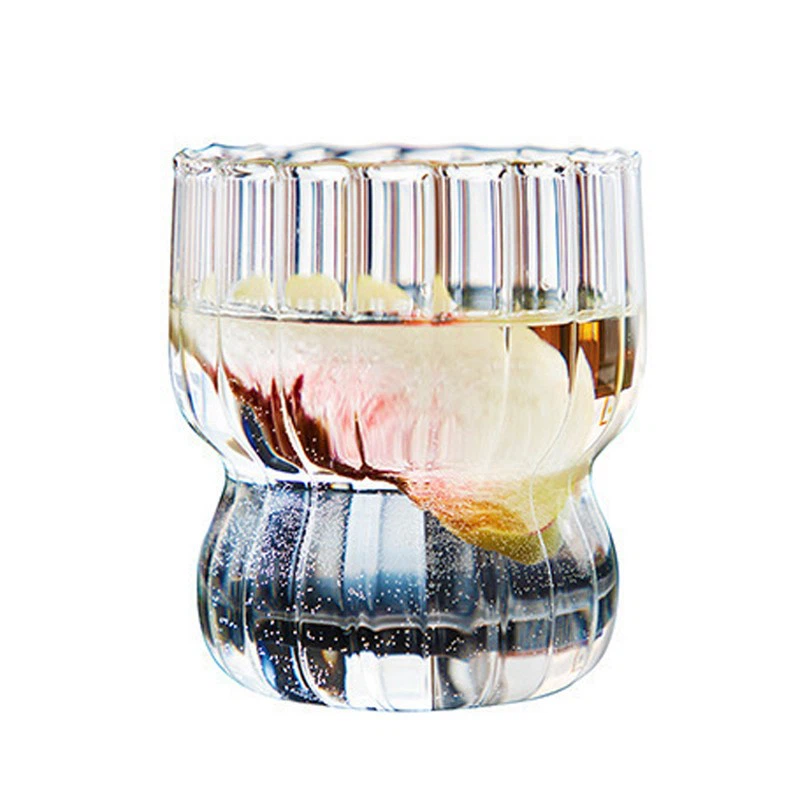
Before delving into safety measures, it's important to understand the different types of glass used in teacups. At our supply, we offer various high - quality glass teacups, such as the Heat Resistant Striped Glass Tea Cup, the High Borosilicate Transparent Glass Tea Cup, and the Eco Friendly Borosilicate Glass Cup.
High borosilicate glass is a popular choice for teacups due to its excellent heat resistance. It has a low coefficient of thermal expansion, which means it can withstand rapid temperature changes without cracking or shattering. This type of glass is made by adding boron trioxide to the glass mixture, enhancing its thermal properties.
Pre - heating the Teacup
One of the most effective ways to ensure the safety of a glass teacup when using hot water is pre - heating. When you pour boiling water directly into a cold glass teacup, the inner surface of the glass heats up and expands rapidly, while the outer surface remains relatively cool. This uneven expansion can create stress within the glass, leading to cracks or breakage.
To pre - heat the teacup, start by filling it with warm water. Let the water sit in the teacup for a few minutes. This allows the glass to gradually adjust to the temperature increase. After a few minutes, empty the warm water and then you can safely pour your hot tea or water into the pre - heated teacup. This simple step can significantly reduce the risk of thermal shock.
Choosing the Right Temperature of Water
The temperature of the water you use also plays a vital role in the safety of your glass teacup. While high borosilicate glass can withstand high temperatures, extremely hot water can still pose a risk, especially if the teacup has any pre - existing flaws.
For most glass teacups, water at a temperature of around 80 - 90 degrees Celsius (176 - 194 degrees Fahrenheit) is ideal. This temperature is hot enough to brew a good cup of tea but not so hot that it causes excessive stress on the glass. If you're making green tea, which is more delicate, you may want to use water at a slightly lower temperature, around 70 - 80 degrees Celsius (158 - 176 degrees Fahrenheit).
Avoiding Sudden Temperature Changes
In addition to pre - heating and using the right water temperature, it's important to avoid sudden temperature changes during the use of the glass teacup. For example, don't place a hot glass teacup on a cold surface or immerse it in cold water immediately after use.
If you need to clean the teacup after use, let it cool down naturally to room temperature first. This allows the glass to contract slowly and evenly, preventing the formation of stress cracks. Similarly, when taking a glass teacup out of the freezer (if you've stored it there for some reason), don't pour hot water into it right away. Let it warm up gradually at room temperature.
Inspecting the Teacup Regularly
Regular inspection of your glass teacup is essential for safety. Before each use, carefully examine the teacup for any signs of damage, such as cracks, chips, or scratches. Even a small crack can weaken the structural integrity of the glass and make it more prone to breakage when exposed to hot water.
If you notice any damage, it's best to replace the teacup. Using a damaged glass teacup not only poses a safety risk but also affects the quality of your tea - drinking experience.

Proper Handling and Storage
Proper handling and storage of glass teacups can also contribute to their safety. When holding a glass teacup filled with hot water, use a tea cozy or a heat - resistant sleeve. This not only protects your hands from the heat but also helps to distribute the heat more evenly across the surface of the teacup.
When storing glass teacups, stack them carefully to avoid any pressure or impact that could cause damage. You can also use soft padding between the teacups to prevent scratches and chips.
Cleaning and Maintenance
Proper cleaning and maintenance are crucial for the long - term safety and durability of glass teacups. After each use, wash the teacup with mild dish soap and warm water. Use a soft sponge or cloth to avoid scratching the glass.
Avoid using abrasive cleaners or scouring pads, as these can damage the surface of the glass and create micro - scratches. After washing, rinse the teacup thoroughly to remove any soap residue.
Conclusion
Ensuring the safety of a glass teacup when using hot water requires a combination of proper pre - heating, choosing the right water temperature, avoiding sudden temperature changes, regular inspection, proper handling, storage, and cleaning. By following these tips, you can enjoy your hot tea or other beverages in a safe and stylish glass teacup.
As a glass teacup supplier, we are committed to providing high - quality, safe glass teacups to our customers. If you're interested in our products, such as the Heat Resistant Striped Glass Tea Cup, the High Borosilicate Transparent Glass Tea Cup, or the Eco Friendly Borosilicate Glass Cup, please feel free to contact us for more information and to discuss your procurement needs. We look forward to working with you to provide the best glass teacups for your tea - drinking pleasure.
References
- "The Science of Glass: Properties and Applications" by John Smith
- "Tea Brewing Guide: Temperature and Techniques" by Jane Doe
- "High Borosilicate Glass: A Review of Its Thermal Properties" by Robert Johnson