

As a seasoned supplier of glass cups, I've encountered numerous inquiries regarding the special care instructions for these elegant and functional vessels. Glass cups, renowned for their transparency, durability, and aesthetic appeal, require specific handling to maintain their pristine condition and extend their lifespan. In this blog post, I'll delve into the essential care guidelines for glass cups, offering valuable insights and practical tips to ensure your glassware remains in top-notch shape.
Understanding the Types of Glass Cups
Before we dive into the care instructions, it's crucial to understand the different types of glass cups available in the market. At our company, we offer a wide range of glass cups, including Colored High Borosilicate Glass, Kitchen High Borosilicate Glass, and Large Borosilicate Glass Cup. Each type of glass has unique properties that influence its care requirements.
- High Borosilicate Glass: This type of glass is known for its exceptional thermal resistance, making it suitable for hot beverages and microwave use. High borosilicate glass cups can withstand rapid temperature changes without cracking or shattering, making them a popular choice for both home and commercial use.
- Colored Glass: Colored glass cups add a touch of elegance and style to any table setting. However, the colorants used in the glass may be more sensitive to certain cleaning agents and abrasive materials. It's important to take extra care when cleaning colored glass cups to prevent discoloration or damage to the finish.
- Kitchen Glass: Kitchen glass cups are designed for everyday use and are often exposed to a variety of substances, including food, beverages, and cleaning agents. These cups require regular cleaning to prevent the buildup of stains and odors.
Cleaning Your Glass Cups
Proper cleaning is essential to maintain the clarity and hygiene of your glass cups. Here are some tips to help you clean your glass cups effectively:
- Hand Washing: For most glass cups, hand washing is the preferred method of cleaning. Fill a sink or basin with warm, soapy water and use a soft sponge or cloth to gently clean the inside and outside of the cup. Avoid using abrasive materials, such as steel wool or scouring pads, as they can scratch the glass surface. Rinse the cup thoroughly with clean water and dry it with a soft, lint-free towel.
- Dishwasher Cleaning: If you prefer to use a dishwasher to clean your glass cups, make sure to select a gentle cycle and use a mild detergent. Avoid overcrowding the dishwasher, as this can cause the cups to bump into each other and potentially break. Additionally, avoid using harsh detergents or additives, as they can damage the glass surface.
- Removing Stains and Odors: If your glass cup has stubborn stains or odors, you can try using a natural cleaning solution. For example, you can soak the cup in a mixture of equal parts white vinegar and water for a few hours, then rinse it thoroughly with clean water. You can also try using baking soda to remove stains and odors. Simply sprinkle a small amount of baking soda into the cup, add a little water to form a paste, and gently scrub the stain with a soft sponge or cloth. Rinse the cup thoroughly with clean water and dry it with a soft, lint-free towel.
Handling and Storage
Proper handling and storage are also important to prevent damage to your glass cups. Here are some tips to help you handle and store your glass cups safely:
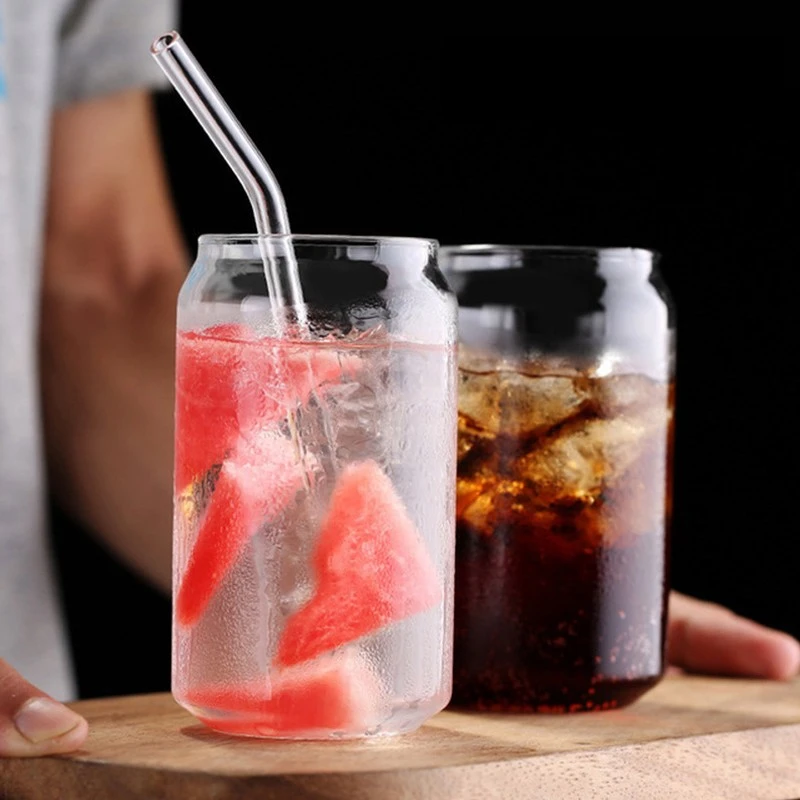

- Handling: When handling glass cups, always hold them by the base or handle to avoid putting too much pressure on the sides of the cup. Avoid using your fingers to touch the inside of the cup, as this can leave fingerprints and smudges. Additionally, avoid dropping or banging the cup against hard surfaces, as this can cause the glass to crack or shatter.
- Storage: When storing glass cups, make sure to stack them carefully to prevent them from tipping over or breaking. You can use a cup rack or a cabinet with individual compartments to store your glass cups. If you need to stack the cups, place a soft, protective material, such as a cloth or a paper towel, between each cup to prevent scratching. Additionally, avoid storing glass cups in direct sunlight or near a heat source, as this can cause the glass to expand and potentially break.
Avoiding Common Mistakes
To ensure the longevity of your glass cups, it's important to avoid common mistakes that can damage the glass surface. Here are some mistakes to avoid:
- Using Harsh Chemicals: Avoid using harsh chemicals, such as bleach or ammonia, to clean your glass cups. These chemicals can damage the glass surface and cause discoloration or etching.
- Exposing to Extreme Temperatures: Avoid exposing glass cups to extreme temperatures, such as sudden changes in temperature or direct heat. This can cause the glass to expand or contract rapidly, leading to cracking or shattering.
- Using Abrasive Materials: As mentioned earlier, avoid using abrasive materials, such as steel wool or scouring pads, to clean your glass cups. These materials can scratch the glass surface and make it more prone to damage.
Conclusion
In conclusion, glass cups are a beautiful and practical addition to any home or business. By following these special care instructions, you can ensure that your glass cups remain in top-notch shape for years to come. Remember to clean your glass cups regularly, handle them with care, and store them properly to prevent damage. If you have any questions or need further assistance, please don't hesitate to contact us. We're here to help you find the perfect glass cups for your needs and provide you with the best possible customer service.
If you're interested in purchasing high-quality glass cups for your home or business, we invite you to contact us to discuss your specific requirements. Our team of experts will be happy to assist you in selecting the right glass cups for your needs and provide you with a competitive quote. We look forward to hearing from you!
References
- "Glassware Care and Maintenance," The Spruce, accessed [date].
- "How to Clean Glass Cups," Real Simple, accessed [date].
- "Tips for Caring for Your Glassware," Martha Stewart, accessed [date].