

Coffee, a beverage cherished across the globe, has a rich and storied history that dates back centuries. Alongside the evolution of coffee itself, the manufacturing of coffee cups has undergone a remarkable transformation, mirroring cultural shifts, technological advancements, and changing consumer preferences. As a coffee cup supplier, I've had the privilege of witnessing firsthand the fascinating journey of coffee cup manufacturing. In this blog, I'll delve into the history of coffee cup manufacturing, exploring its origins, key milestones, and the diverse materials and styles that have emerged over time.
Origins of Coffee Cups
The exact origins of coffee cups are shrouded in mystery, but it's believed that the practice of drinking coffee from vessels dates back to the 15th century in the Islamic world. Initially, coffee was consumed from simple clay or ceramic cups, which were readily available and affordable. These early cups were often hand - crafted, with basic designs and functional shapes, primarily intended to hold the hot beverage.
As coffee spread to Europe in the 17th century, the demand for coffee cups grew. European potters began to experiment with different materials and techniques, producing cups with more intricate designs and higher quality. Porcelain, a fine - grained ceramic material, became particularly popular due to its smooth texture, translucency, and ability to retain heat. Chinese porcelain cups, known for their exquisite craftsmanship and beautiful patterns, were highly sought after in Europe and set a new standard for coffee cup elegance.
The Industrial Revolution and Mass Production
The Industrial Revolution in the 18th and 19th centuries brought about a significant change in coffee cup manufacturing. With the invention of new machinery and production methods, it became possible to mass - produce coffee cups at a much lower cost. Factories were established, and assembly - line production techniques were introduced, allowing for the rapid production of standardized cups.
This period also saw the development of new materials for coffee cups. Glass, which had been used in limited quantities before, became more widely available and popular. Glass cups offered several advantages, including transparency, which allowed consumers to appreciate the color and aroma of the coffee, and ease of cleaning. Metal cups, such as those made from tin or copper, were also produced, often used in more utilitarian settings or by travelers due to their durability.
The 20th Century: Innovation and Diversification
The 20th century was a time of great innovation in coffee cup manufacturing. In the early part of the century, paper cups were introduced as a convenient and disposable option. These cups were initially used mainly in vending machines and for take - away coffee. They were made from paperboard coated with wax or plastic to prevent leakage, and their popularity soared as the fast - food and coffee - to - go culture emerged.
Plastic cups also became increasingly common during the 20th century. They were lightweight, inexpensive, and could be molded into a variety of shapes and sizes. However, concerns about the environmental impact of disposable plastic cups have led to a growing demand for more sustainable alternatives in recent years.
In addition to the development of new materials, the 20th century also witnessed a diversification of coffee cup styles. From traditional round cups to modern, geometric designs, there was a cup to suit every taste and occasion. Specialty coffee shops began to emerge, offering unique and stylish cups that enhanced the overall coffee - drinking experience.
Modern Coffee Cup Manufacturing
Today, coffee cup manufacturing is a highly sophisticated and diverse industry. A wide range of materials are used, each with its own unique properties and advantages.
Ceramic and Porcelain
Ceramic and porcelain cups continue to be popular for their aesthetic appeal and ability to retain heat. They are often hand - painted or decorated with intricate designs, making them a favorite among coffee connoisseurs. Many high - end coffee shops and restaurants choose ceramic or porcelain cups to provide a luxurious and elegant coffee - drinking experience.
Glass
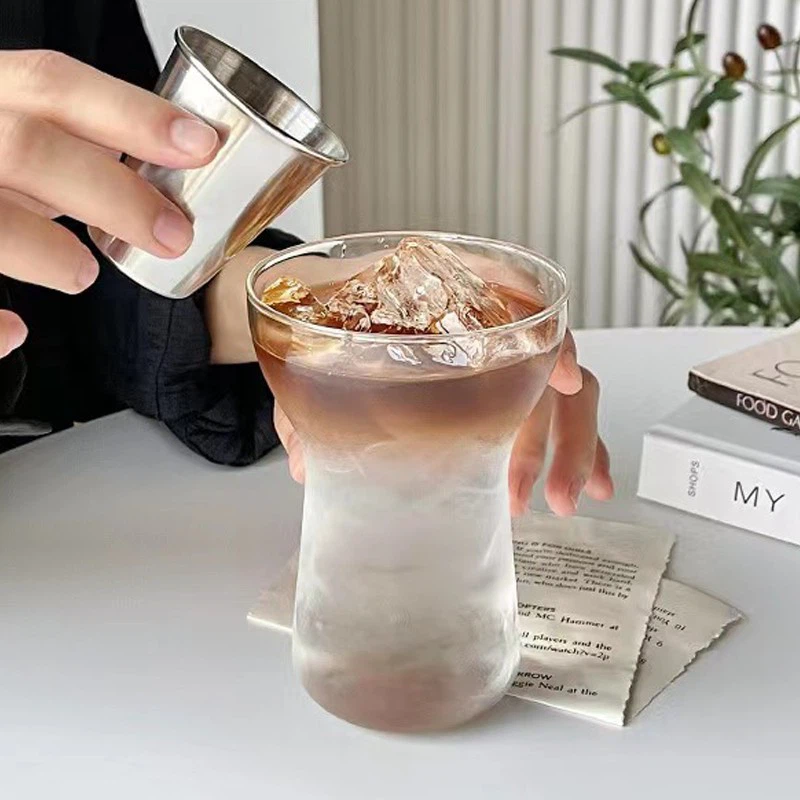
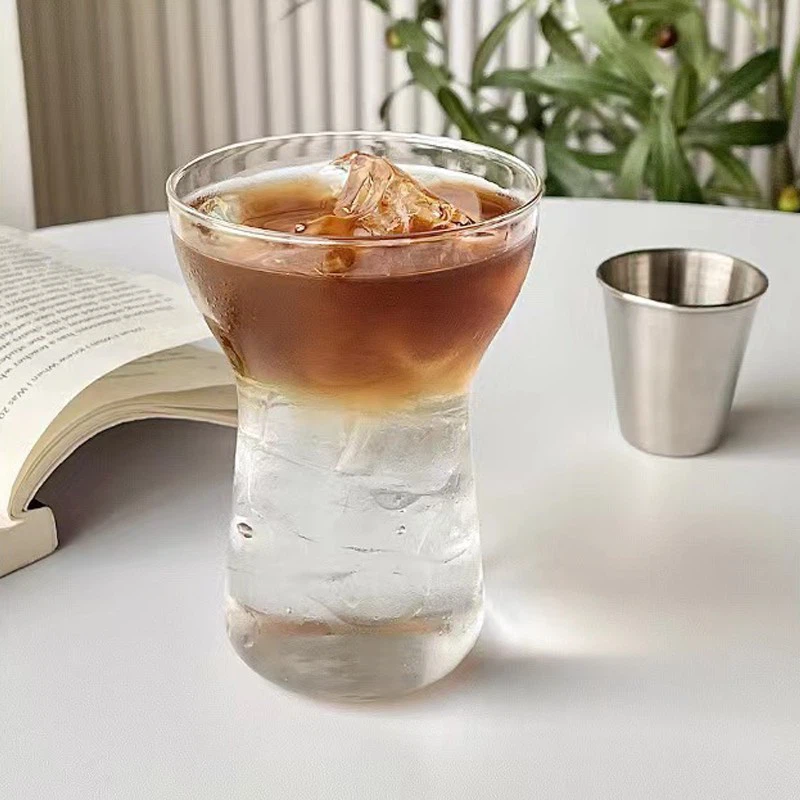
Glass cups have also maintained their popularity. Modern glass - making techniques have led to the production of high - quality, heat - resistant glass cups. For example, borosilicate glass is known for its excellent thermal shock resistance, making it suitable for both hot and cold beverages. You can find a variety of stylish glass coffee cups, such as the Americano Coffee Cup, which offers a classic and elegant design, and the Bamboo Shape Glass Coffee Cup, with its unique and eye - catching shape.
Sustainable Materials
In response to growing environmental concerns, there has been a significant shift towards using sustainable materials in coffee cup manufacturing. Biodegradable and compostable materials, such as bamboo fiber, sugarcane pulp, and recycled paper, are being increasingly used to produce disposable cups. Reusable cups made from stainless steel, bamboo, or silicone are also gaining popularity as consumers look for ways to reduce their environmental impact.
Novelty and Specialty Cups
The market also offers a wide range of novelty and specialty coffee cups. These can include cups with built - in filters, double - walled cups for better insulation, and cups designed specifically for different types of coffee, such as espresso or cappuccino. For instance, the Square Milk Coffee Cup is a unique and stylish option that is perfect for serving milk - based coffee beverages.
The Future of Coffee Cup Manufacturing
Looking ahead, the future of coffee cup manufacturing is likely to be shaped by several factors. Sustainability will continue to be a major focus, with manufacturers exploring new materials and production methods to reduce waste and environmental impact. Technological advancements may also lead to the development of cups with enhanced functionality, such as smart cups that can monitor the temperature or brewing time of the coffee.
In addition, as consumer preferences continue to evolve, there will be a growing demand for personalized and customizable coffee cups. Whether it's a cup with a custom - printed logo or a unique design, consumers are increasingly looking for products that reflect their individuality.
Why Choose Our Coffee Cups
As a coffee cup supplier, we take pride in offering a wide range of high - quality coffee cups to meet the diverse needs of our customers. Our cups are made from the finest materials, using the latest manufacturing techniques to ensure durability, functionality, and aesthetic appeal.
Whether you're a coffee shop owner looking to provide your customers with a unique coffee - drinking experience, a restaurant manager in search of elegant and practical cups, or an individual who simply loves a good cup of coffee, we have the perfect solution for you. Our team of experts is dedicated to providing excellent customer service and can help you choose the right cups for your specific requirements.
If you're interested in learning more about our coffee cups or would like to discuss a potential purchase, please don't hesitate to reach out. We're here to assist you every step of the way and look forward to the opportunity to work with you.
References
- Pendergrast, Mark. "Uncommon Grounds: The History of Coffee and How It Transformed Our World." Basic Books, 2009.
- Standage, Tom. "A History of the World in Six Glasses." Walker & Company, 2005.
- The Coffee Research Institute. "The Evolution of Coffee Cups." Coffee Research Journal, 2018.