

When it comes to enjoying a cup of tea, the choice of teacup can significantly enhance the overall experience. Among the various materials available, glass teacups stand out for their numerous advantages. As a supplier of high - quality glass teacups, I have witnessed firsthand the appeal and practicality of these vessels. In this blog, I will explore the many benefits of using a glass teacup.
Visual Appeal
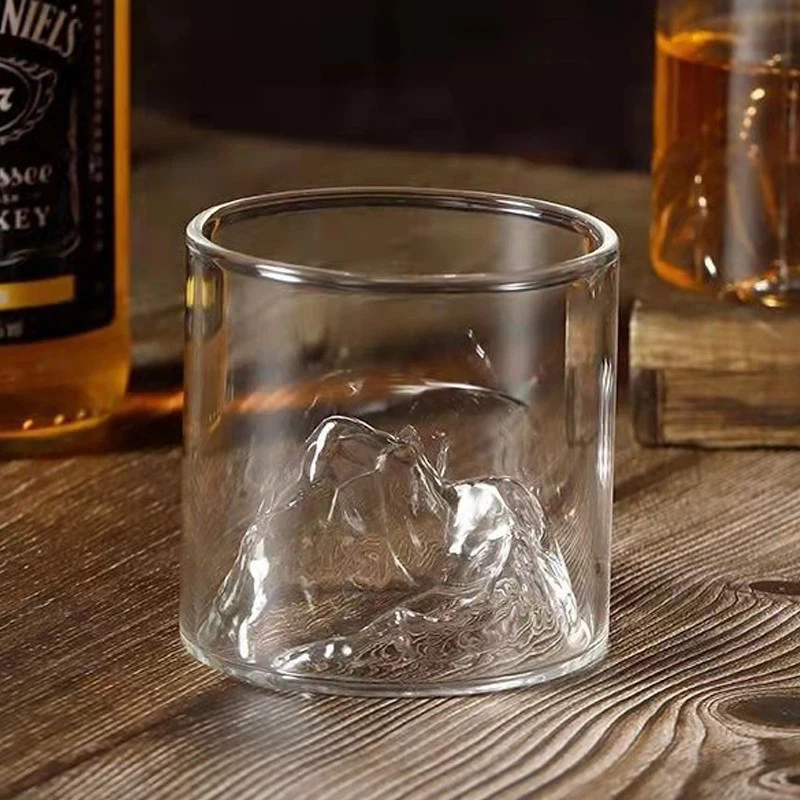
One of the most obvious advantages of a glass teacup is its visual appeal. Unlike ceramic or porcelain teacups, glass allows you to fully appreciate the color, clarity, and movement of the tea. You can watch as the tea leaves unfurl, releasing their flavors and creating a beautiful display. Whether it's a delicate green tea with its pale yellow hue or a rich, dark black tea, the transparency of the glass enhances the aesthetic pleasure of tea - drinking.
For those who are particularly fond of the visual aspect, our Colorful Decal Glass Tea Cup offers a unique combination of functionality and artistry. The colorful decals add an extra touch of charm, making each cup a work of art.
Purity of Flavor
Glass is a non - porous material, which means it does not absorb or impart any flavors to the tea. This is in contrast to some other materials, such as plastic or certain types of wood, which can leave behind a residual taste. When you use a glass teacup, you can be sure that you are experiencing the pure, unadulterated flavor of the tea. The natural taste and aroma of the tea remain intact, allowing you to savor every sip.
Our High Borosilicate Transparent Glass Tea Cup is made from high - quality borosilicate glass, which is known for its excellent chemical resistance. This ensures that the tea's flavor is not compromised in any way, providing you with a truly authentic tea - drinking experience.
Heat Resistance
Another significant advantage of glass teacups is their heat resistance. Many glass teacups, especially those made from borosilicate glass, can withstand high temperatures without cracking or shattering. This is essential when brewing tea, as most teas require hot water to extract their flavors. You can pour boiling water directly into a glass teacup without having to worry about it breaking.
Our Heat Resistant Striped Glass Tea Cup is designed with heat resistance in mind. The striped pattern not only adds a stylish look but also helps to distribute the heat evenly, preventing any hot spots that could potentially damage the cup.
Easy to Clean
Glass teacups are incredibly easy to clean. Since glass is non - porous, it does not retain stains or odors. A simple wash with warm, soapy water is usually enough to keep the teacup looking and smelling fresh. Unlike some materials that may require special cleaning agents or techniques, glass can be cleaned using everyday household items.
This ease of cleaning also makes glass teacups a hygienic choice. You can be confident that your teacup is free from bacteria and other contaminants, ensuring a safe and healthy tea - drinking experience.
Versatility
Glass teacups are highly versatile. They can be used for a wide variety of teas, from delicate white teas to robust black teas. Additionally, glass teacups can also be used for other hot or cold beverages, such as coffee, hot chocolate, or even iced tea. Their neutral appearance makes them suitable for both formal and informal settings, whether you are enjoying a quiet cup of tea at home or hosting a tea party.
Durability
When made from high - quality materials, glass teacups can be quite durable. Borosilicate glass, in particular, is known for its strength and resistance to thermal shock. While glass is more fragile than some other materials, proper care can ensure that your glass teacup lasts for a long time. Avoid dropping or hitting the cup against hard surfaces, and it will continue to serve you well for many tea - drinking sessions to come.
Aesthetic Flexibility
Glass teacups come in a wide range of shapes, sizes, and designs. Whether you prefer a classic, simple design or a more modern and elaborate one, there is a glass teacup to suit your taste. You can choose from clear glass for a minimalist look, or opt for colored or decorated glass for a more eye - catching appearance.
Health Benefits
In addition to the above advantages, using a glass teacup can also have some health benefits. Since glass is a natural material and does not contain any harmful chemicals, it is a safe choice for daily use. Unlike some plastic teacups, which may release harmful substances when exposed to hot liquids, glass is a non - toxic and environmentally friendly option.
Cost - Effective
Glass teacups can be a cost - effective choice in the long run. While they may have a slightly higher upfront cost compared to some other materials, their durability means that you won't have to replace them as often. This can save you money over time, especially if you are a regular tea drinker.
Environmental Friendliness
Glass is a recyclable material, which makes glass teacups an environmentally friendly option. By choosing a glass teacup, you are reducing your carbon footprint and contributing to a more sustainable future. When your teacup reaches the end of its life, it can be recycled and used to make new glass products.
In conclusion, the advantages of a glass teacup are numerous. From its visual appeal and purity of flavor to its heat resistance and ease of cleaning, a glass teacup is an excellent choice for tea lovers. As a supplier of glass teacups, I am proud to offer a wide range of high - quality products that combine functionality and style.
If you are interested in purchasing glass teacups for your personal use or for your business, I encourage you to contact me for more information. We can discuss your specific requirements and find the perfect glass teacups to meet your needs. Whether you are looking for a single teacup or a bulk order, I am here to assist you.

References
- "The Art of Tea: A Guide to Selecting, Brewing, and Enjoying Tea" by Jane Pettigrew
- "Tea: History, Terroir, Varieties" by Lisa Boalt Richardson
- "The Tea Enthusiast's Handbook" by Mary Lou Heiss and Robert J. Heiss