

As a supplier of Glass Storage Jars with Wood Lids, I understand the concerns customers have about preventing the glass from cracking. These jars are not only functional but also add an aesthetic touch to any kitchen or storage space. In this blog, I'll share some scientific and practical tips to help you keep your glass storage jars in perfect condition.
Understanding the Causes of Glass Cracking
Before we delve into prevention methods, it's crucial to understand why glass cracks. Glass is a brittle material, and several factors can contribute to its cracking.
Thermal Shock: One of the most common causes is thermal shock. When glass is exposed to rapid temperature changes, it expands or contracts unevenly. For example, pouring hot liquid into a cold glass jar or placing a hot jar in cold water can create stress within the glass, leading to cracks.
Mechanical Stress: Physical impacts or pressure can also cause glass to crack. Dropping the jar, hitting it against a hard surface, or applying excessive force when opening or closing the lid can all result in damage.
Manufacturing Defects: Although rare, manufacturing defects such as small cracks or inclusions in the glass can weaken its structure and make it more prone to cracking over time.
Preventing Thermal Shock
To prevent thermal shock, it's essential to minimize rapid temperature changes. Here are some tips:
Gradual Temperature Changes: If you need to heat or cool the contents of the jar, do it gradually. For example, if you're heating food in the jar, place it in a warm water bath instead of directly in the microwave or oven. Similarly, if you're cooling a hot jar, let it sit at room temperature for a while before placing it in the refrigerator.
Use Tempered Glass: Tempered glass is more resistant to thermal shock than regular glass. It's made by heating the glass to a high temperature and then rapidly cooling it, which creates a surface compression that strengthens the glass. When choosing glass storage jars, look for ones made from tempered glass.
Avoid Extreme Temperatures: Don't expose the jars to extreme temperatures. For example, don't leave them in direct sunlight for extended periods or place them near a heat source such as a stove or radiator.
Preventing Mechanical Stress
To prevent mechanical stress, handle the jars with care. Here are some tips:
Use a Soft Surface: When placing the jars on a surface, use a soft mat or cloth to cushion them. This will help absorb any impact and prevent the glass from cracking.
Avoid Dropping or Hitting: Be careful not to drop or hit the jars against hard surfaces. If you need to move the jars, hold them firmly and avoid sudden movements.
Proper Lid Installation: Make sure the wood lid is properly installed on the jar. If the lid is too tight or too loose, it can put stress on the glass and cause it to crack. Follow the manufacturer's instructions for installing the lid.
Choosing the Right Jars
When choosing glass storage jars with wood lids, there are several factors to consider. Here are some tips:
Quality of Glass: Look for jars made from high-quality glass. High borosilicate glass is a good choice because it's more resistant to thermal shock and chemical corrosion.
Design of the Lid: The design of the wood lid can also affect the performance of the jar. Make sure the lid fits snugly on the jar and has a good seal to prevent air and moisture from getting in.
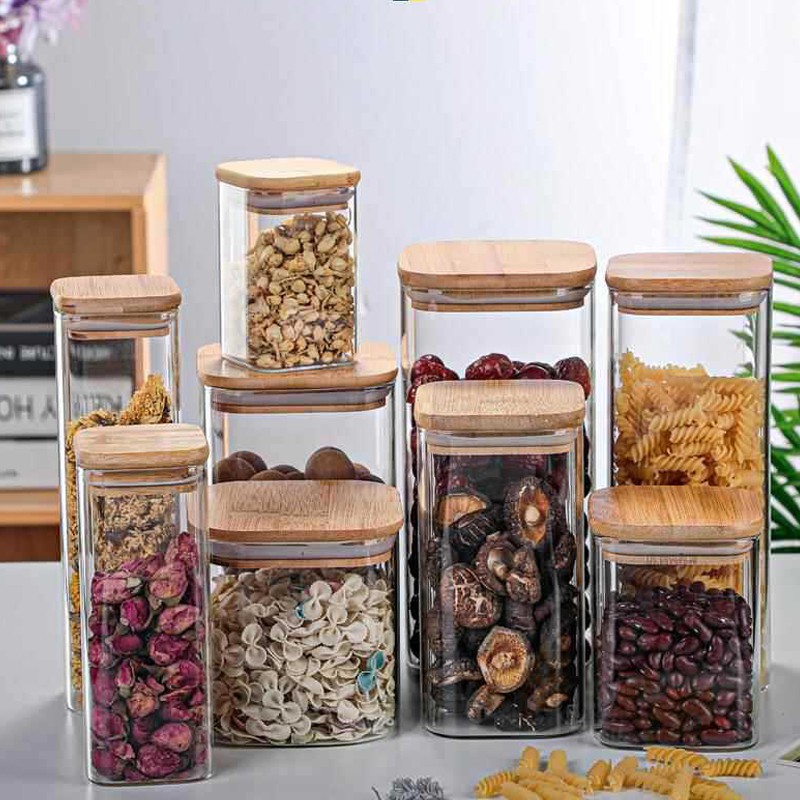

Size and Shape: Consider the size and shape of the jar based on your storage needs. Square jars are a popular choice because they can be easily stacked and stored in a pantry or cabinet. You can check out our Square Airtight Storage Jars and Square Borosilicate Storage Jar for options.
Maintenance and Care
Proper maintenance and care can also help prevent the glass from cracking. Here are some tips:
Clean Regularly: Clean the jars regularly to prevent the buildup of dirt and debris. Use a mild detergent and warm water, and avoid using abrasive cleaners or scrubbers that can scratch the glass.
Inspect for Damage: Periodically inspect the jars for any signs of damage such as cracks or chips. If you notice any damage, stop using the jar immediately and replace it.
Store Properly: When not in use, store the jars in a cool, dry place. Avoid stacking them too high or placing heavy objects on top of them, as this can put stress on the glass and cause it to crack.
Our Product Recommendations
At our company, we offer a wide range of Glass Storage Jars with Wood Lids that are designed to meet your storage needs. Our Acacia Wood Glass Storage Jars are made from high borosilicate glass and feature a beautiful acacia wood lid. They're available in different sizes and shapes, so you can choose the ones that are right for you.
Conclusion
Preventing the glass of a glass storage jar with a wood lid from cracking requires a combination of proper handling, choosing the right jars, and regular maintenance. By following the tips outlined in this blog, you can ensure that your jars last for a long time and remain in perfect condition. If you have any questions or need further assistance, please don't hesitate to contact us. We're always happy to help you find the right storage solutions for your needs.
References
- "Glass Cracking: Causes and Prevention." Glass Science and Technology, vol. 82, no. 3, 2009, pp. 123-130.
- "Thermal Shock Resistance of Glass." Journal of the American Ceramic Society, vol. 75, no. 6, 1992, pp. 1567-1572.
- "Mechanical Properties of Glass." Handbook of Glass Properties, edited by W. A. Weyl, Springer, 1992, pp. 23-45.