

Hey there! I'm a supplier of Borosilicate Clear Glass Jars, and I know how annoying it can be to deal with stubborn stains on these otherwise awesome jars. Borosilicate glass is great because it's super durable, heat-resistant, and looks really nice. But those stains, man, they can really take away from the jar's beauty and functionality. So, in this blog, I'm gonna share some tips on how to clean those stubborn stains from your borosilicate clear glass jars.
Why Stains Happen in Borosilicate Glass Jars
First off, let's talk about why stains occur in the first place. Borosilicate glass jars are often used to store all sorts of things, like food, spices, and even liquids. Over time, these substances can leave behind residue that builds up and turns into stubborn stains. For example, if you store tomato sauce in a jar, the acid in the tomatoes can cause discoloration. Also, hard water can leave mineral deposits on the glass, making it look cloudy.
Common Types of Stains and How to Identify Them
There are a few common types of stains you might encounter on your borosilicate glass jars.
Food Stains
These are probably the most common. They can come from things like coffee, tea, wine, or oily foods. Food stains usually look like discolored patches on the glass. If you've stored something with a strong color, like beets or blueberries, you'll definitely notice a stain.
Mineral Deposits
Mineral deposits are caused by hard water. They look like white, chalky spots on the glass. You'll often see these if you wash your jars in hard water or if you live in an area with a high mineral content in the water supply.
Mold and Mildew
If you store your jars in a damp place, mold and mildew can grow inside them. Mold stains are usually black, green, or brown and can have a fuzzy texture. They're not only unsightly but can also be a health hazard.
Cleaning Methods for Different Types of Stains
For Food Stains
- Baking Soda and Water Paste: One of the easiest and most effective ways to clean food stains is to make a paste out of baking soda and water. Just mix equal parts baking soda and water until you get a thick paste. Then, use a sponge or a soft cloth to apply the paste to the stained area. Let it sit for a few minutes, then scrub gently. Rinse the jar thoroughly with water. Baking soda is a natural abrasive that can help lift the stains without scratching the glass.
- Vinegar Solution: Vinegar is another great cleaning agent. Mix equal parts white vinegar and water in a spray bottle. Spray the solution onto the stained area and let it sit for 10 - 15 minutes. The acid in the vinegar will help break down the stains. Then, scrub the jar with a sponge or a brush and rinse it well. You can also soak the jar in a vinegar and water solution overnight for really stubborn stains.
For Mineral Deposits
- Lemon Juice: Lemons are acidic, which makes them great for removing mineral deposits. Cut a lemon in half and rub it directly on the stained area. The acid in the lemon will dissolve the minerals. You can also squeeze the lemon juice into a bowl and soak the jar in it for a few hours. After that, rinse the jar thoroughly with water.
- Commercial Glass Cleaner: There are many commercial glass cleaners available that are specifically designed to remove mineral deposits. Look for a cleaner that contains ingredients like citric acid or phosphoric acid. Follow the instructions on the label to use the cleaner safely and effectively.
For Mold and Mildew
- Bleach Solution: A bleach solution is one of the best ways to get rid of mold and mildew. Mix 1 part bleach with 10 parts water in a bucket. Put on gloves and submerge the jar in the solution for at least 30 minutes. Make sure the jar is completely covered by the solution. After 30 minutes, take the jar out and scrub it with a brush to remove any remaining mold. Rinse the jar thoroughly with water and let it dry completely before using it again.
- Hydrogen Peroxide: Hydrogen peroxide is another natural alternative to bleach. It's less harsh but still effective at killing mold and mildew. Pour some hydrogen peroxide into the jar and let it sit for 10 - 15 minutes. Then, scrub the jar with a brush and rinse it well.
Tips for Preventing Stains in the Future
- Rinse Jars Immediately: After using a jar, rinse it out with warm water as soon as possible. This will prevent food and other substances from drying on the glass and becoming harder to clean.
- Use a Liner: If you're storing something that's likely to stain, like tomato sauce or jam, you can line the jar with a piece of parchment paper or a plastic liner. This will make it easier to clean the jar later.
- Store Jars in a Dry Place: To prevent mold and mildew, make sure you store your jars in a dry, well-ventilated area. Avoid storing them in basements or bathrooms where there's a lot of moisture.
Our Borosilicate Clear Glass Jars
As a supplier of Borosilicate Clear Glass Jars, I'm proud to offer a wide range of high-quality products. Our jars are made from borosilicate glass, which means they're durable, heat-resistant, and perfect for storing all sorts of things. Whether you're looking for a Household Moisture-proof Kitchen Sealed Jar to keep your food fresh or a High Borosilicate Glass Storage Tank Set for your pantry, we've got you covered. We also have Square High Borosilicate Storage Tank that are great for organizing your kitchen or office.
Conclusion
Cleaning stubborn stains from borosilicate clear glass jars doesn't have to be a hassle. By identifying the type of stain and using the right cleaning method, you can keep your jars looking like new. And remember, prevention is key. By following the tips I've shared, you can reduce the chances of stains forming in the first place.
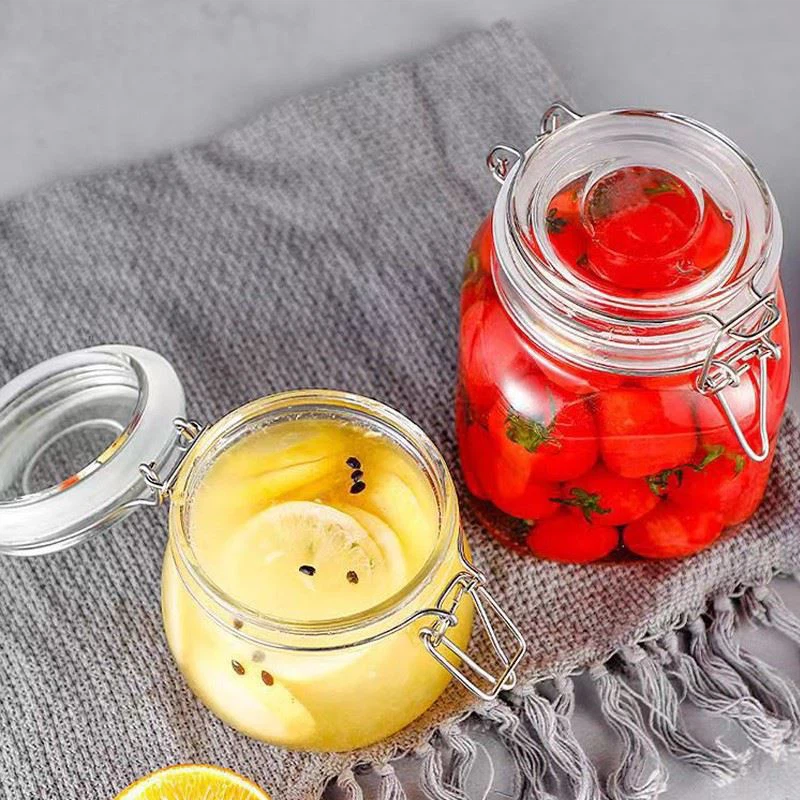
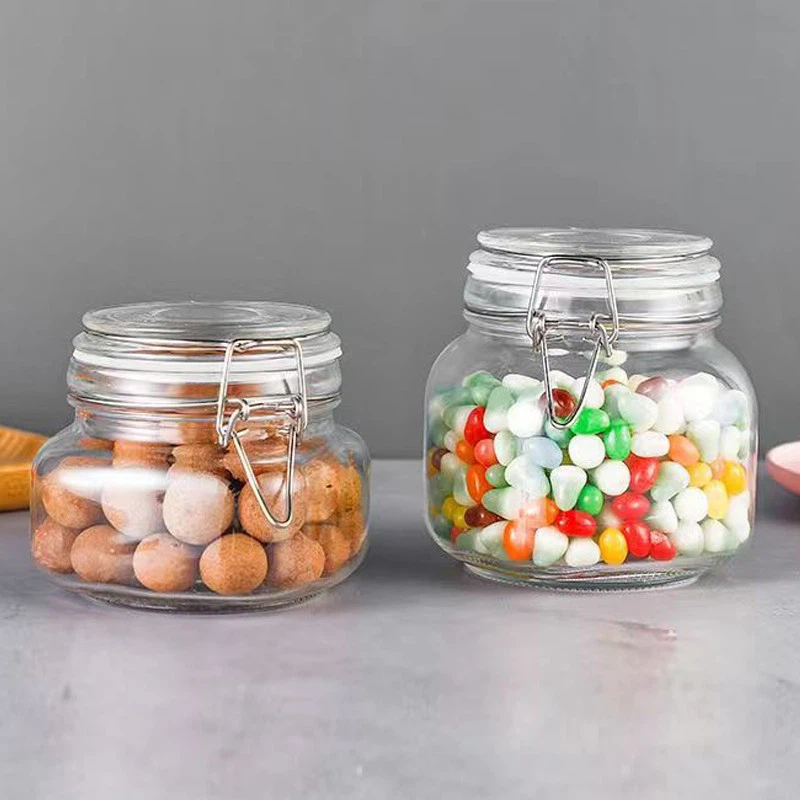
If you're interested in purchasing our Borosilicate Clear Glass Jars, feel free to reach out to us for more information and to discuss your procurement needs. We're always happy to help you find the perfect jars for your needs.
References
- "Cleaning Glassware: Tips and Tricks." Good Housekeeping.
- "How to Remove Stains from Glass." DIY Network.
- "The Science of Cleaning Glass." Scientific American.