

As a provider of high - quality glass cups, I often encounter inquiries about the suitability of glass cups for various types of tea, especially oolong tea. In this blog, we will take an in - depth look at whether a glass cup can be used for oolong tea and delve into the pros and cons, as well as advice on choosing the right glass.
Understanding Oolong Tea
Oolong tea is a semi - fermented tea that lies between green tea and black tea in terms of oxidation levels. It has a complex flavor profile, which can range from floral and fruity to toasty and nutty, depending on the processing method and the tea leaves' origin. The brewing of oolong tea requires specific temperature and time control to bring out its full flavor and aroma. Generally, oolong tea is brewed with water at a temperature between 80 - 95°C (176 - 203°F), and multiple infusions are often made to savor different layers of taste.
Advantages of Using Glass Cups for Oolong Tea
Visual Appeal
One of the most significant advantages of using a glass cup for oolong tea is the visual experience it offers. With a glass cup, you can observe the beautiful transformation of the tea leaves as they unfurl in hot water. The transparent nature of glass allows you to see the color of the tea liquor change with each infusion, which adds an extra layer of enjoyment to the tea - drinking process. Whether it's the light amber color of lightly fermented oolong or the darker, rich tones of more heavily fermented varieties, the visual display in a glass cup is a treat for the eyes.
Preserving Tea Flavor
Glass is an inert material, which means it does not react with the tea substances. Unlike some other materials such as plastic or metal, glass does not impart any unwanted flavors or odors to the tea. This allows you to fully appreciate the pure and original flavor of the oolong tea, ensuring that you get the most authentic taste experience.
Temperature Control
Many glass cups, especially those made from Borosilicate Glass, have good heat - resistance properties. Borosilicate glass has a low coefficient of thermal expansion, which means it can withstand sudden temperature changes without breaking. This is particularly useful when brewing oolong tea, as you can pour hot water directly into the glass cup without worrying about it cracking. Moreover, the transparency of glass also allows you to monitor the temperature of the tea visually, helping you to time your infusions properly.
Challenges when Using Glass Cups for Oolong Tea
Heat Retention
One potential drawback of using a glass cup for oolong tea is its relatively poor heat - retention ability compared to materials like ceramic or clay. Oolong tea requires a certain temperature to maintain its flavor during the brewing and drinking process. Since glass conducts heat relatively quickly, the tea in a glass cup may cool down faster, which can affect the taste, especially for longer steeping times or multiple infusions.
Fragility
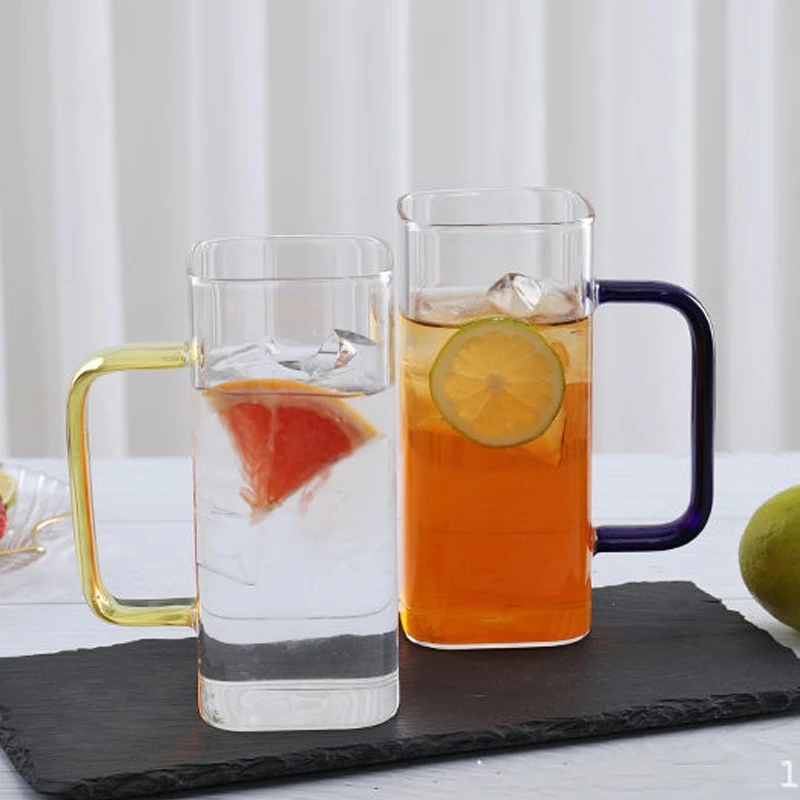
Glass is a fragile material. It can break easily if dropped or mishandled. This is a concern, especially in a busy environment or for those who are prone to accidentally knocking things over. However, by choosing high - quality glass, such as Colored High Borosilicate Glass or Single - walled Heat - resistant Glass, which are more durable and resistant to breakage, you can mitigate this risk.
Choosing the Right Glass Cup for Oolong Tea
Thickness
When selecting a glass cup for oolong tea, consider the thickness of the glass. A thicker glass can provide better heat retention, helping to keep the tea warm for a longer time. However, it may also be heavier and more prone to thermal shock if not made of the right material. Thinner glass, on the other hand, offers a more delicate and lightweight feel, but may not retain heat as well.
Shape
The shape of the glass cup can also impact the tea - drinking experience. A wide - mouthed glass cup allows the tea aroma to spread more freely, enhancing the olfactory experience. It also makes it easier to remove the tea leaves after brewing. A tall and narrow glass can concentrate the aroma, but it may be a bit more challenging to clean.
Capacity
The capacity of the glass cup depends on your personal preference. If you like to have multiple infusions of oolong tea at once, a larger - capacity cup would be suitable. However, if you prefer to enjoy a single, smaller serving, a more petite cup might be the better choice.
Tips for Brewing Oolong Tea in a Glass Cup
Pre - warm the Cup
To minimize heat loss, pre - warm the glass cup by rinsing it with hot water before adding the tea leaves. This helps to keep the water temperature more stable during brewing.
Control the Brewing Time
Since glass cups may not retain heat as well as other materials, you may need to adjust the brewing time accordingly. Shorter brewing times may be required for subsequent infusions to prevent over - steeping and a bitter taste.
Use a Tea Strainer
To avoid having tea leaves in your cup while drinking, use a tea strainer. This can enhance the overall tea - drinking experience and ensure a smooth sip.

Conclusion
In conclusion, a glass cup can be a great option for brewing and enjoying oolong tea. It offers unique visual and flavor - preserving benefits, and with the right choice of glass and proper brewing techniques, the challenges such as heat retention and fragility can be managed effectively.
If you are interested in exploring high - quality glass cups for oolong tea or other beverages, we are here to offer you a wide range of products. We invite you to contact us for purchasing discussions. Our team of experts is ready to help you find the perfect glass cup that meets your needs.
References
- Smith, J. (2020). The Art of Tea Brewing. Tea Enthusiast Press.
- Chen, L. (2018). Oolong Tea: Origins, Processing, and Flavors. Tea Research Institute Journal.