

When it comes to storing various items, a 500ml borosilicate sealed jar is an excellent choice. As a supplier of these high - quality jars, I'd like to share some special instructions for using them to ensure you get the most out of your purchase.
1. Initial Inspection
Before using your 500ml borosilicate sealed jar for the first time, it's crucial to conduct a thorough inspection. Check the jar for any visible cracks, chips, or scratches on the glass body. Even a small crack can compromise the integrity of the jar and may lead to breakage during use. Inspect the sealing lid as well. Ensure that the rubber gasket, if present, is intact and properly seated. A damaged gasket can result in poor sealing, allowing air and moisture to enter the jar.
2. Cleaning
Proper cleaning is essential to maintain the hygiene and functionality of the borosilicate sealed jar. Start by washing the jar and its lid with warm, soapy water. You can use a mild dish soap that is free from harsh chemicals. Avoid using abrasive sponges or scouring pads, as they can scratch the glass surface. After washing, rinse the jar and lid thoroughly to remove all soap residues.
If you plan to store food items in the jar, it's a good idea to sanitize it. You can do this by boiling the jar and lid in water for about 10 - 15 minutes. This will help kill any bacteria or germs that may be present on the surfaces. Let the jar and lid dry completely before using them.
3. Filling the Jar
When filling the 500ml borosilicate sealed jar, be mindful of the type of items you are storing. For dry goods such as grains, cereals, or spices, make sure they are completely dry before placing them in the jar. Moisture can cause the contents to spoil or clump together. Fill the jar to an appropriate level, leaving some space at the top to ensure a proper seal.
If you are storing liquids, do not overfill the jar. Leave enough headspace to prevent the liquid from spilling out when the lid is tightened. Also, be careful when pouring hot liquids into the borosilicate jar. Although borosilicate glass has a high resistance to thermal shock, sudden temperature changes can still cause stress on the glass. It's advisable to let the hot liquid cool slightly before pouring it into the jar.
4. Sealing the Jar
To ensure a proper seal, place the lid on the jar and press down firmly. If the jar has a screw - on lid, turn it clockwise until it is tightly closed. Make sure the lid is centered on the jar to prevent any air leakage. For jars with snap - on lids, press down evenly around the edges of the lid until you hear a clicking sound, indicating a good seal.
Once the jar is sealed, you can test the seal by gently inverting the jar. If no air or liquid escapes, the seal is secure. A proper seal is important for keeping the contents fresh and protected from external elements.
5. Storage Conditions
The way you store the 500ml borosilicate sealed jar can significantly affect its performance and the longevity of the stored items. Store the jar in a cool, dry place away from direct sunlight. Sunlight can cause the temperature inside the jar to rise, which may be detrimental to the contents, especially if they are sensitive to heat.
Avoid storing the jar in areas with high humidity, as moisture can seep into the jar over time and spoil the contents. If you are storing the jar in a pantry or cabinet, make sure the area is well - ventilated.
6. Handling and Transport
When handling the borosilicate sealed jar, always hold it by the base or the sides. Avoid gripping the jar too tightly, as this can put unnecessary stress on the glass. When transporting the jar, place it in a stable container or box to prevent it from tipping over or getting knocked around.
If you need to stack multiple jars, place a soft material such as a cloth or a foam pad between the jars to prevent scratching. Also, make sure the stack is stable and not too tall to avoid the risk of the jars falling and breaking.
7. Compatibility with Different Substances
Borosilicate glass is generally resistant to a wide range of substances. However, it's important to be aware of some exceptions. Avoid storing highly acidic or alkaline substances in the jar for an extended period. Although borosilicate glass is more resistant to chemical corrosion than regular glass, prolonged exposure to strong acids or alkalis can still cause damage to the glass surface.
If you need to store such substances, it's advisable to check with the manufacturer or conduct a small - scale test first. Also, avoid storing substances that may react with the rubber gasket in the lid, if applicable.
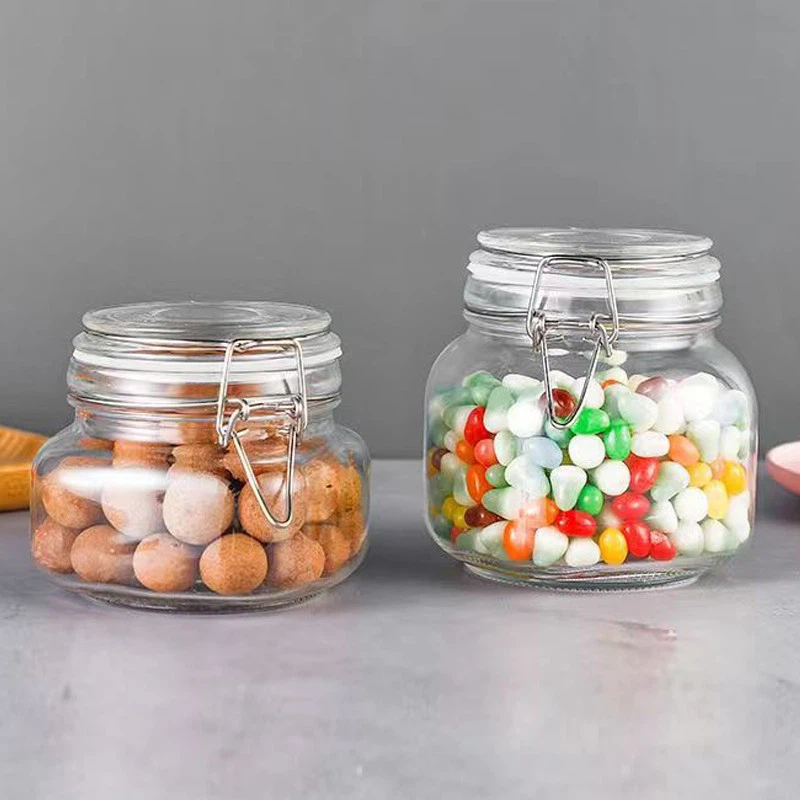

8. Maintenance and Long - Term Use
Over time, the rubber gasket in the lid may wear out. If you notice any signs of deterioration, such as cracking or loss of elasticity, replace the gasket promptly. This will ensure that the jar continues to provide a good seal.
Regularly clean the jar and lid to prevent the buildup of dirt, dust, or residues. You can follow the cleaning and sanitizing procedures mentioned earlier. By taking proper care of your 500ml borosilicate sealed jar, you can extend its lifespan and enjoy its benefits for a long time.
Product Recommendations
If you are interested in exploring more options related to borosilicate storage products, we offer a variety of choices. For a unique design, you can check out our Square Borosilicate Glass Storage Jar. It combines functionality with an aesthetically pleasing shape.
Our Borosilicate Glass Storage Tank is a great option for larger - scale storage needs. It provides a reliable and durable solution for storing various substances.
For household use, our Household Moisture - proof Kitchen Sealed Jar is designed to keep your kitchen items fresh and protected from moisture.
Contact for Purchase
If you are interested in purchasing our 500ml borosilicate sealed jars or any of our other products, we encourage you to contact us for a detailed discussion. Our team of experts is ready to assist you with your specific requirements and provide you with the best solutions. Whether you are a retailer looking to stock our products or an individual in need of high - quality storage solutions, we are here to serve you.
References
- "Glass Packaging: Properties and Performance" by John W. Murphy
- "Handbook of Glass Properties" edited by David R. Uhlmann and Neil J. Kreidl